Top 10 Ways to Use Heat Therapy for Joint Stiffness

Time:2026-09-25 Author:Aria
0%

Joint stiffness can make ordinary movements feel surprisingly difficult. A tight knee may resist the first steps out of bed, while stiff fingers can struggle with a jar lid. Gentle warmth may temporarily relax muscles and make movement more comfortable. It does not repair a joint or treat the cause of stiffness. Small details matter.

This guide explores how to use heat therapy for joint stiffness through practical options, including warm showers, wrapped heating pads, warm towels, and paraffin treatments for hands. Use comfortable warmth, not intense heat, and place a cloth between your skin and a heating device. Short sessions—often around 15 to 20 minutes—are a sensible starting point; check the product instructions and your clinician’s advice. Never fall asleep with a heating pad, and inspect your skin during use.

Heat is not right for every situation. A newly injured, hot, or swollen joint may need different care, and numbness or reduced circulation can make burns harder to notice. Ask a healthcare professional before using heat if you have these concerns or a condition affecting sensation. Stop if your skin becomes very red, painful, or irritated. The suggestions ahead are general, not a diagnosis. And warmth has limits. If stiffness persists, worsens, or comes with significant swelling or fever, seek medical advice rather than relying on heat alone. Each method has trade-offs; choosing one may take a little experimenting.
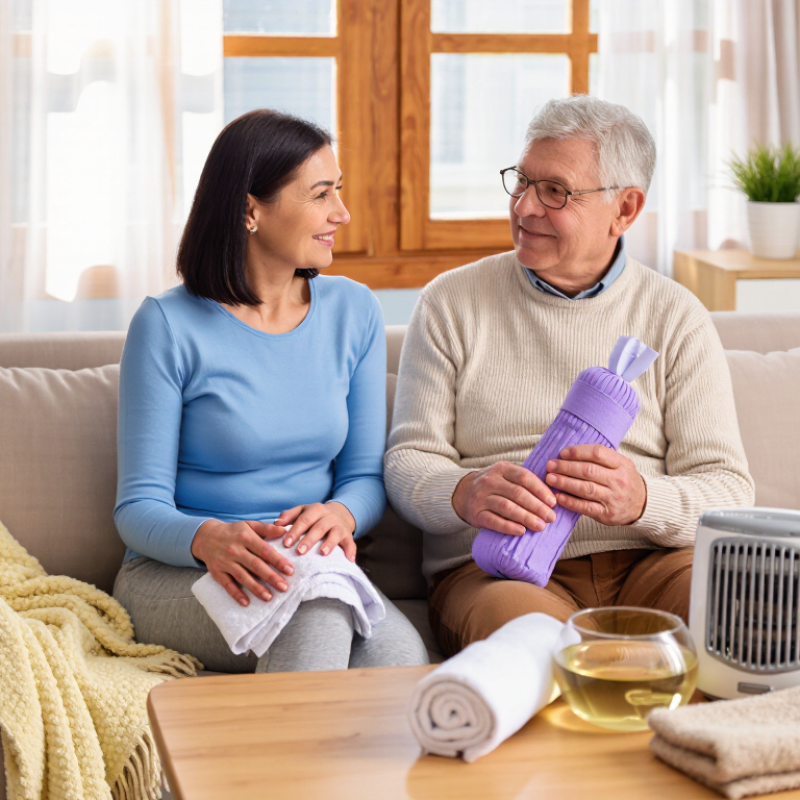
Top 10 Ways to Use Heat Therapy for Joint Stiffness

Understanding How Heat Therapy Eases Joint Stiffness

Understanding How Heat Therapy Eases Joint Stiffness

Heat therapy can relax tight muscles and increase local blood flow around a stiff joint. This may make movement feel smoother, especially after sleep or long sitting. The CDC reports that about one in five U.S. adults has doctor-diagnosed arthritis, showing why practical comfort strategies matter. Yet heat does not repair damaged cartilage or treat every cause of stiffness. Its effect is usually temporary.

A warm shower, heated towel, or gentle soak can prepare hands, knees, or shoulders for exercise. Keep the temperature comfortably warm, not burning, and apply heat for about 15–20 minutes. The American College of Rheumatology and Arthritis Foundation conditionally recommend thermal modalities for some hand osteoarthritis symptoms. Evidence remains limited, however. That uncertainty deserves attention. People with reduced sensation, poor circulation, or diabetes should seek medical advice before using strong heat. Never sleep on a heating device.

Tips: Place a thin towel between skin and the heat source. Check the skin after five minutes. Stop if redness, swelling, dizziness, or increasing pain appears. Try heat before stretching, then move slowly through a comfortable range. Cold may be more suitable after a fresh injury or visible swelling. A 2021 evidence review found that heat-related benefits for osteoarthritis can vary between individuals, so record your pain and movement response rather than assuming more heat works better.

Top 10 Ways to Use Heat Therapy for Joint Stiffness

Typical heat-therapy application windows for easing stiffness and improving comfort before gentle movement.

Heat may help relax muscles, increase local circulation, and reduce the sensation of stiffness. Use comfortable warmth rather than intense heat, protect the skin, and follow product or clinician instructions. Avoid falling asleep with an electric heating device, and seek medical advice for acute swelling, redness, reduced sensation, or unexplained joint pain.

Choosing the Best Heat Method for Your Needs

Choosing heat is less about finding the hottest option and more about matching warmth to the joint and your daily routine. A warm shower or bath can ease stiffness across several joints before dressing. For fingers, a warm-water soak or paraffin bath may be easier to manage. A covered heat pack can suit a knee or shoulder while you sit. Keep it gentle. The 2019 American College of Rheumatology and Arthritis Foundation guideline conditionally recommends thermal modalities for hand, hip, and knee osteoarthritis. “Conditionally” matters: it signals limited evidence, not a guaranteed benefit.

Try comfortable warmth for about 15 to 20 minutes, then check whether movement feels easier. A moist towel is simple, but it cools quickly; a heat pack holds warmth longer, yet can create hot spots. Place fabric between the heat source and your skin, and never fall asleep with an electric heating pad. Avoid heat on newly swollen, hot joints, or where sensation or circulation is reduced, unless a clinician advises otherwise. If redness lasts or the joint feels worse, stop. The practical choice can be imperfect: a method that feels soothing may still do little for stiffness, so note how you move before and after using it.

Preparing for Safe and Comfortable Heat Application

Before reaching for a heat pack, check the joint and your skin. Look for unusual redness, swelling, or broken skin. Heat may feel soothing, but it is not suitable for every flare. The CDC estimated that 53.2 million U.S. adults had doctor-diagnosed arthritis in 2019, underscoring how many people manage joint symptoms. That figure does not mean one heat routine suits everyone.

The 2019 American College of Rheumatology and Arthritis Foundation guideline conditionally recommends thermal modalities for hand osteoarthritis. “Conditionally” matters: benefits may vary, and evidence is limited. Prepare a comfortably warm, not hot, compress; wrap it in a dry towel and test it on your forearm. Keep the area dry, sit where you can remove the pack easily, and use it for about 15 minutes. Check your skin during treatment. Stop if it stings, burns, or becomes very red. Reduced sensation or circulation? Ask a healthcare professional before using heat.

Tips: Set a timer. Never sleep with a heating pad. Keep a towel between the source and skin, and let the joint cool before repeating. I sometimes underestimate how quickly a pack warms up; checking twice is wiser than guessing.

Exploring Ten Practical Ways to Apply Heat

A warm shower can loosen stiff knees or shoulders before dressing. Let water run over the joint for several minutes, and keep it comfortably warm. A shallow bath offers broader, even warmth. For a smaller area, try a damp towel warmed with water, or a wrapped hot-water bottle. Never place a very hot object directly on skin.

A heating pad provides steady warmth while you sit, but follow its instructions and set a timer. A reusable warm gel pack is handy for hands or wrists. A cloth-covered grain pack can fit around a joint; check its temperature carefully after heating. For hand stiffness, warm paraffin may help, provided the skin is intact and the wax is not too hot. A heated blanket can warm the body before gentle movement. Warm-water exercise in a suitable pool is another option, if movement feels comfortable.

Aim for about 15 to 20 minutes, then check your skin. Not too hot. Heat may ease stiffness, but it does not treat every cause of joint pain. It is easy to leave a pack on longer than intended; timers help. Avoid heat on a newly swollen, red, or injured joint. People with reduced sensation or circulation should ask a health professional before using it. Stop if the skin burns, becomes very red, or pain worsens.

Adjusting Treatment Time and Monitoring Your Response

Heat therapy works best when the warmth feels soothing, not intense. Start with 10 to 15 minutes, using a warm towel or a covered heat pack on the stiff joint. Keep a layer of fabric between the heat source and your skin. Set a timer. It is easy to lose track while making breakfast or reading. Check the skin after a few minutes; it should not look very red or feel sore.

Notice how the joint responds during treatment and for the next hour. Does your knee bend more easily when you stand, or does the stiffness return quickly? Write down the time, duration, and any change in comfort for several days. If the area feels more swollen, hot, or painful afterward, stop using heat and seek advice from a healthcare professional. A brief improvement is useful information, but it does not prove that heat is right for every flare.

If 15 minutes feels comfortable but offers little relief, ask a clinician whether a slightly longer session is appropriate; avoid extending treatment on your own. People with reduced skin sensation or circulation problems should get professional guidance before applying heat. Do not sleep with a heating device in place. I sometimes expect warmth to fix stiffness immediately, which is probably too optimistic; responses can vary from day to day. A simple log may reveal that morning sessions help, while evening ones do not.

Top 10 Ways to Use Heat Therapy for Joint Stiffness - Adjusting Treatment Time and Monitoring Your Response
Heat Therapy Method Typical Starting Time How to Use It Monitor and Adjust
Warm shower 5–10 minutes Let comfortably warm water run over the stiff area, or move the joint gently while showering. Use warm, not hot, water. Stop if the skin becomes very red, uncomfortable, or irritated.
Warm bath 10–15 minutes Soak the affected area in comfortably warm water and move the joint gently within a comfortable range. Get out if you feel dizzy, overheated, or unwell. Shorten the soak if skin irritation occurs.
Warm, damp towel 10–15 minutes Use a towel moistened with warm water. Wring it out and place it over the joint; re-warm it as needed. Check the skin every few minutes. Remove the towel if it feels too hot or causes discomfort.
Microwavable heat pack 10–15 minutes Follow the product’s heating instructions and wrap the pack in a thin cloth before applying it. Test the temperature first and check the skin regularly. Do not apply a pack that is damaged or overheated.
Electric heating pad 10–15 minutes Choose a low or moderate setting and place a fabric layer between the pad and skin. Stay awake and nearby while using it. Do not lie on the pad or use it while sleeping; stop if the skin becomes uncomfortable.
Warm-water hand soak 10–15 minutes For hand stiffness, soak the hands in comfortably warm water, then gently open and close the fingers. Use water that feels pleasant rather than hot. Stop if swelling, pain, or skin irritation increases.
Warm-water foot soak 10–15 minutes Soak the feet in comfortably warm water, then gently move the toes and ankles if comfortable. Check the water temperature before soaking. People with reduced foot sensation should avoid unsupervised warm-water soaks.
Reusable gel heat pack 10–15 minutes Heat or prepare the pack only as directed, and wrap it in cloth before placing it over the joint. Check the pack for leaks and the skin regularly. Remove it if it becomes too hot or symptoms worsen.
Paraffin wax bath for hands About 10–15 minutes, following device instructions Use a purpose-made paraffin bath according to its instructions. Keep the wax away from open skin and do not use it if sensation is reduced. Test the wax temperature as directed. Stop if burning, unusual redness, or discomfort occurs; seek professional guidance if unsure it is suitable.
Warm wrap followed by gentle movement 10–15 minutes of heat, then a few minutes of gentle movement Apply a comfortably warm wrap with a cloth barrier, then slowly move the joint without forcing its range. Continue only while movement feels comfortable. Reduce the time or stop if pain or swelling increases during or after use.
Safety: Heat may temporarily ease stiffness, but it does not treat the underlying cause. Avoid applying heat to a newly injured, hot, or markedly swollen joint. Use extra caution or ask a healthcare professional first if you have reduced skin sensation, poor circulation, diabetes, or a skin condition. Never use heat that feels painful, and do not fall asleep with a heat source in place.

FAQS

When should heat be avoided on a joint?

Avoid heat over broken skin, unusual redness, swelling, or a very hot joint. That flare may need assessment.

How warm should the compress be?

Use comfortably warm, not hot, and wrap it in a dry towel. Test it on your forearm first.

How long should one heat session last?

Start with 10 to 15 minutes. Set a timer. Never sleep with a heating device.

How can I protect my skin during treatment?

Keep fabric between the heat source and your skin. Check the area after several minutes. Stop if it stings, burns, or becomes very red.

What should I do if my joint feels worse afterward?

Stop using heat if swelling, pain, or unusual warmth increases. Seek advice from a healthcare professional.

Can everyone safely use heat for stiffness?

People with reduced sensation or circulation problems should ask a healthcare professional first. They may not notice excessive heat quickly.

How can I tell whether heat is helping?

Notice movement during treatment and for the next hour. Can your knee bend more easily? Does stiffness return quickly?

Should I keep records of my heat sessions?

Write down the time, duration, joint response, and later discomfort. A simple log may show that mornings help more than evenings.

What if 15 minutes feels comfortable but does not help?

Ask a clinician before extending the session. Do not increase treatment time alone. I sometimes expect warmth to work immediately, but that may be unrealistic.

Conclusion

Heat therapy can help ease joint stiffness by relaxing surrounding muscles and encouraging circulation, making movement feel more comfortable. This guide explains how to use heat therapy for joint stiffness by comparing practical options such as a warm towel, heating pad, warm bath, or shower. The best method depends on the joint, your comfort, and what is easy to use safely.

Before applying heat, check that the source is comfortably warm rather than hot, and protect your skin with a cloth when needed. Apply heat for a limited period, commonly around 15 to 20 minutes, and check your skin and comfort during treatment. Stop if you notice burning, increased pain, or irritation. Avoid applying heat to areas with reduced sensation or poor circulation unless a healthcare professional advises you otherwise. Adjust the duration and method to your response, and seek professional guidance if stiffness is persistent, severe, or accompanied by swelling or other concerning symptoms.

Aria

Aria

Aria is a dedicated marketing professional with a deep passion for innovative strategies and a keen understanding of our company's product offerings. With a wealth of experience in the industry, Aria excels at crafting engaging content that highlights the unique features and benefits of our......