7 Tips to Avoid the Risks of Improper Heat Therapy Use

Time:2026-10-10 Author:Henry
0%

Heat therapy can ease muscle stiffness, joint discomfort, and everyday aches. A warm pack may relax tight shoulders after desk work. A heated blanket can feel soothing on a cold evening. Yet comfort does not prove safety. Heat feels harmless. That assumption fails.

Many users apply excessive heat, leave devices on too long, or place them directly against bare skin. Reduced sensation from diabetes, nerve conditions, medication, or fatigue can make injury harder to notice. Children, older adults, and people with circulation problems may face additional concerns. So, what are the risks of improper heat therapy use? Possible harms include burns, skin damage, worsening swelling, dehydration, dizziness, and delayed medical evaluation. In some cases, repeated low-level exposure causes injury without dramatic pain.

This guide presents seven practical tips for safer heat therapy. It draws on basic clinical safety principles and common home-use mistakes. Check the product instructions. Use a protective cloth. Choose a moderate temperature. Limit each session. Inspect your skin during and after treatment. Avoid sleeping with powered heat devices unless a qualified professional specifically advises it. Stop immediately if you notice burning, numbness, unusual redness, blistering, or increasing pain. If symptoms persist, seek advice from a licensed healthcare professional.

I should acknowledge one limitation: “comfortable” is not a reliable temperature measurement. I have sometimes underestimated how quickly heat builds under a blanket. That small mistake matters. Careful timing and regular skin checks are simple, but they are easy to skip. Safety depends on noticing that habit before it becomes harm.
7 Tips to Avoid the Risks of Improper Heat Therapy Use

Understanding the Main Risks of Improper Heat Therapy

Improper heat therapy can turn a comforting routine into a painful injury. Excessive heat may cause burns, blisters, skin discoloration, or deeper tissue damage. The danger increases when sensation is reduced by diabetes, nerve problems, medication, or fatigue. Poor circulation can also delay healing. Be cautious.

Use a moderate temperature and place a thin cloth between your skin and the heat source. Keep a timer nearby, and limit each session according to medical guidance. Never sleep while using heat. Check the skin every few minutes for unusual redness, mottling, swelling, or numbness. Stop immediately if the area feels sharp, stinging, or strangely cool. Warmth should feel gentle. It should not hurt.

Heat may worsen fresh swelling, bleeding, or certain infections, so recent injuries need careful assessment. People with heart or circulation conditions, reduced sensation, or pregnancy should ask a qualified healthcare professional before treatment. Keep electrical equipment away from water, and inspect cords for damage. Avoid applying heat over broken skin unless a clinician specifically approves it. A common mistake is assuming that longer treatment produces better relief. It does not. Even careful users can misjudge temperature after several minutes, so use a timer and reassess the skin afterward.

7 Tips to Avoid the Risks of Improper Heat Therapy Use - Understanding the Main Risks of Improper Heat Therapy

Heat-related skin injury can occur faster as temperature rises. The chart shows approximate exposure times associated with a second-degree burn in classic human-skin research.

Use only comfortably warm heat, follow the device or clinician’s time limits, place a protective layer between the heat source and skin, and check the skin frequently. Avoid unsupervised heat therapy when sensation or circulation is reduced. Stop immediately if pain, numbness, blistering, or persistent redness occurs.

Reference: Moritz and Henriques, 1947. Actual burn risk varies with skin condition, pressure, moisture, circulation, and exposure duration.

Checking Whether Heat Therapy Is Safe for Your Condition

Before using heat therapy, check whether heat fits your condition. Avoid it over fresh injuries, active swelling, bleeding, broken skin, or suspected infection. Heat may increase blood flow and worsen swelling. Do not use it on areas with numbness or poor circulation. The CDC’s National Diabetes Statistics Report, 2024, estimates that 38.4 million U.S. adults had diabetes in 2021. Diabetes can reduce protective sensation, making burns harder to notice. That risk is easy to underestimate.

Ask a clinician before applying heat if you have diabetes, vascular disease, nerve damage, or reduced mobility. Pregnancy also deserves individual advice, especially for abdominal or back heat. Never place heat directly on a wound. Check the skin first. Use a low setting, add a cloth barrier, and limit sessions to about 15–20 minutes. Stay awake. Never sleep with a heating pad. The World Health Organization reports about 180,000 burn deaths globally each year, although most involve household, occupational, or cooking injuries rather than therapeutic devices.

A practical reflection matters: comfort does not prove safety. If pain suddenly worsens, skin becomes red, blistered, pale, or unusually tender, stop immediately. Seek medical advice for persistent pain, fever, spreading redness, or unexplained swelling. Evidence is not equally strong for every condition. A Cochrane review of superficial heat for low back pain found only limited, short-term benefits from low-quality evidence. Heat may help symptoms, but it should not delay diagnosis or replace treatment.

Choosing the Right Temperature, Duration, and Application Method

Heat therapy can ease muscle stiffness, but comfort is not a reliable safety test. Skin may feel fine while deeper tissue overheats. Choose gentle warmth, usually around 38–40°C, and follow the device instructions. A thermometer helps because “warm” means different things to different people. It is easy to think hotter means better. It does not.

Tip 1: Start with 10–15 minutes, then inspect the skin. Stop if you notice redness, burning, numbness, dizziness, or unusual pain. Longer sessions are not automatically more effective. Never sleep with a heating device, and avoid using heat after alcohol or when you cannot monitor the area carefully. I have sometimes underestimated how quickly heat builds under a blanket; that mistake deserves attention.

Tip 2: Use a safe application method. Place a thin cloth between the heat source and your skin, keep the area visible, and check it every few minutes. Do not apply heat to broken, infected, or recently injured skin unless a qualified clinician advises it. People with diabetes, reduced sensation, poor circulation, or nerve problems should seek professional guidance first. When pain is new, severe, or persistent, heat may hide an issue rather than solve it. A cautious trial is better than chasing intense warmth.

Protecting Skin and Monitoring for Warning Signs During Treatment

Heat therapy may relax tight muscles, yet excessive warmth can damage skin before discomfort feels serious.

Use a comfortable, moderate setting, not the highest one. Place a thin cloth between the heat source and your skin. Keep each session brief and follow the device’s instructions. Never sleep during treatment. Check your skin before and after use, especially over bony areas. Keep the skin dry.

Pause immediately if you notice burning, stinging, unusual tenderness, blotchy redness, swelling, or numbness.

Blisters are a clear warning. So are dizziness, nausea, or weakness.

Remove the heat source, cool the area gently with running water, and seek medical advice if symptoms persist or the skin breaks.

Do not apply ice directly, because it can add further injury.

People with diabetes, reduced sensation, poor circulation, fragile skin, or recent surgery should ask a qualified healthcare professional before using heat. The same caution applies to children and anyone unable to report discomfort clearly.

A common mistake is extending treatment because the first few minutes feel helpful. More time is not always better.

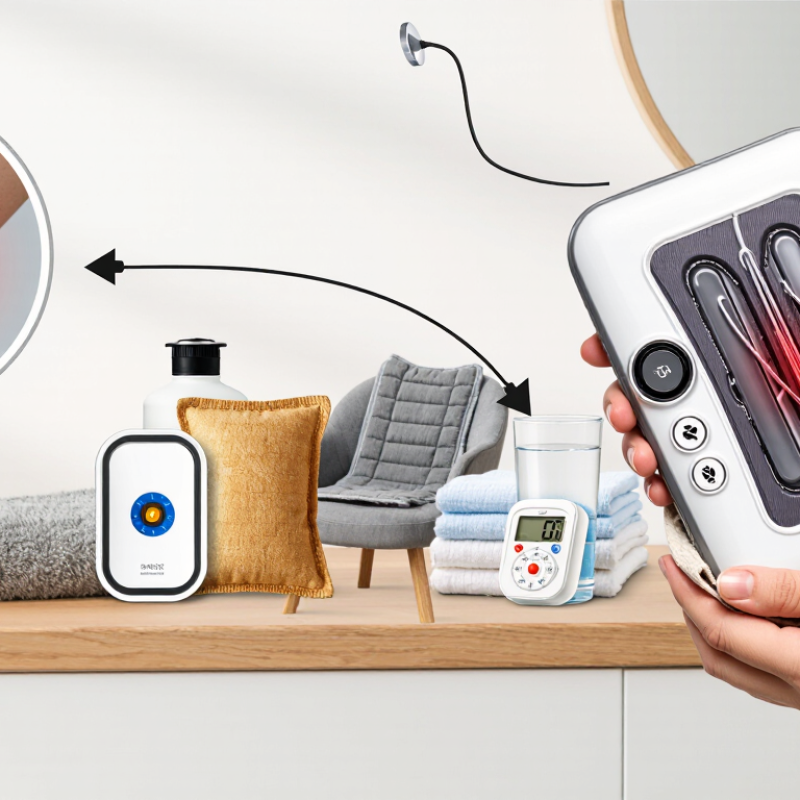
Even experienced users can miss early redness under clothing or a blanket. A small mirror, timer, and quick skin check make safer habits easier.

Knowing When to Stop Heat Therapy and Seek Medical Advice

7 Tips to Avoid the Risks of Improper Heat Therapy Use

Knowing When to Stop Heat Therapy and Seek Medical Advice

Heat therapy should feel gentle, not intense. Use a cloth barrier, choose low warmth, and set a timer for 15–20 minutes. Never sleep with a heating device in place. Check the skin halfway through treatment. Stop immediately if you notice burning, stinging, numbness, unusual redness, swelling, or blistering. Do not push through discomfort.

Avoid heat on areas with reduced sensation, poor circulation, open wounds, infection, or unexplained swelling. Diabetes and nerve disorders can make early warning signs difficult to recognize. The hard part is admitting that “warm” may already be too hot. A practical check is simple: remove the heat and inspect the skin in bright light. If redness remains, cool the area gently and monitor it.

Seek medical advice when pain worsens, swelling increases, blisters appear, or the skin becomes pale, gray, or darkened. Urgent care is appropriate for severe pain, extensive blistering, confusion, or suspected deep burns. The World Health Organization’s Burns fact sheet estimates about 180,000 burn-related deaths worldwide each year. The American Burn Association’s Burn Incidence Fact Sheet reports roughly 486,000 burn injuries requiring medical treatment annually in the United States. These figures include many causes, not only heat therapy, but they show why small injuries deserve attention. A warm pack is not a diagnosis. Stop and ask a clinician when symptoms feel unusual or fail to improve.

FAQS

What temperature is usually suitable for heat therapy?

Gentle warmth around 38–40°C is generally preferred. Hotter does not mean better.

How long should one heat therapy session last?

Start with 10–15 minutes. Some guidance allows 15–20 minutes with a timer.

How can I check whether the heat is too strong?

Inspect your skin halfway through treatment. Remove the heat if it feels burning, stinging, or unusually painful.

Should I place heat directly on my skin?

No. Use a thin cloth barrier, keep the area visible, and check it every few minutes.

Can I sleep while using a heating device?

Never sleep with heat applied. You may miss warning signs while the tissue keeps warming.

When should I stop heat therapy immediately?

Stop for numbness, dizziness, swelling, blistering, unusual redness, or skin that looks pale, gray, or darkened.

Who should seek professional advice before using heat?

People with diabetes, reduced sensation, poor circulation, nerve problems, wounds, or infection should ask a clinician first.

Can heat therapy treat new or severe pain?

Heat may hide an underlying problem. Seek medical advice when pain worsens, persists, or feels unusual.

What should I do if redness remains after removing the heat?

Check the area in bright light. Cool it gently and monitor it; seek advice if symptoms continue.

Is a warm feeling enough to prove heat therapy is safe?

No. Skin can feel comfortable while deeper tissue overheats. I sometimes underestimate heat buildup, so checking matters.

Conclusion

Improper heat therapy can provide comfort, but using it incorrectly may cause burns, skin irritation, swelling, dehydration, or worsening inflammation. The key question is: what are the risks of improper heat therapy use? Before applying heat, consider whether it is suitable for your condition, especially if you have reduced sensation, poor circulation, an open wound, infection, or unexplained pain. When in doubt, seek medical advice first.

Use a comfortably warm temperature rather than intense heat, limit each session to a reasonable duration, and choose an application method that allows even, controlled warmth. Protect your skin with a cloth barrier, avoid sleeping with a heat source in place, and check your skin regularly for redness, blistering, numbness, or increasing discomfort. Stop treatment immediately if symptoms worsen or unusual signs appear. Persistent pain, severe swelling, burns, or other concerning symptoms should be evaluated by a qualified healthcare professional.

Henry

Henry

Henry is a dedicated marketing professional with a profound expertise in the company's offerings. With years of experience in the industry, he possesses an impressive understanding of the market dynamics and consumer behaviors that drive success. Henry is committed to sharing his insights through......